Luxury Fit vs. Runway/Ecommerce Models in the UK: Roles and Booking
Why Luxury Fit Models Matter to UK Fashion Brands
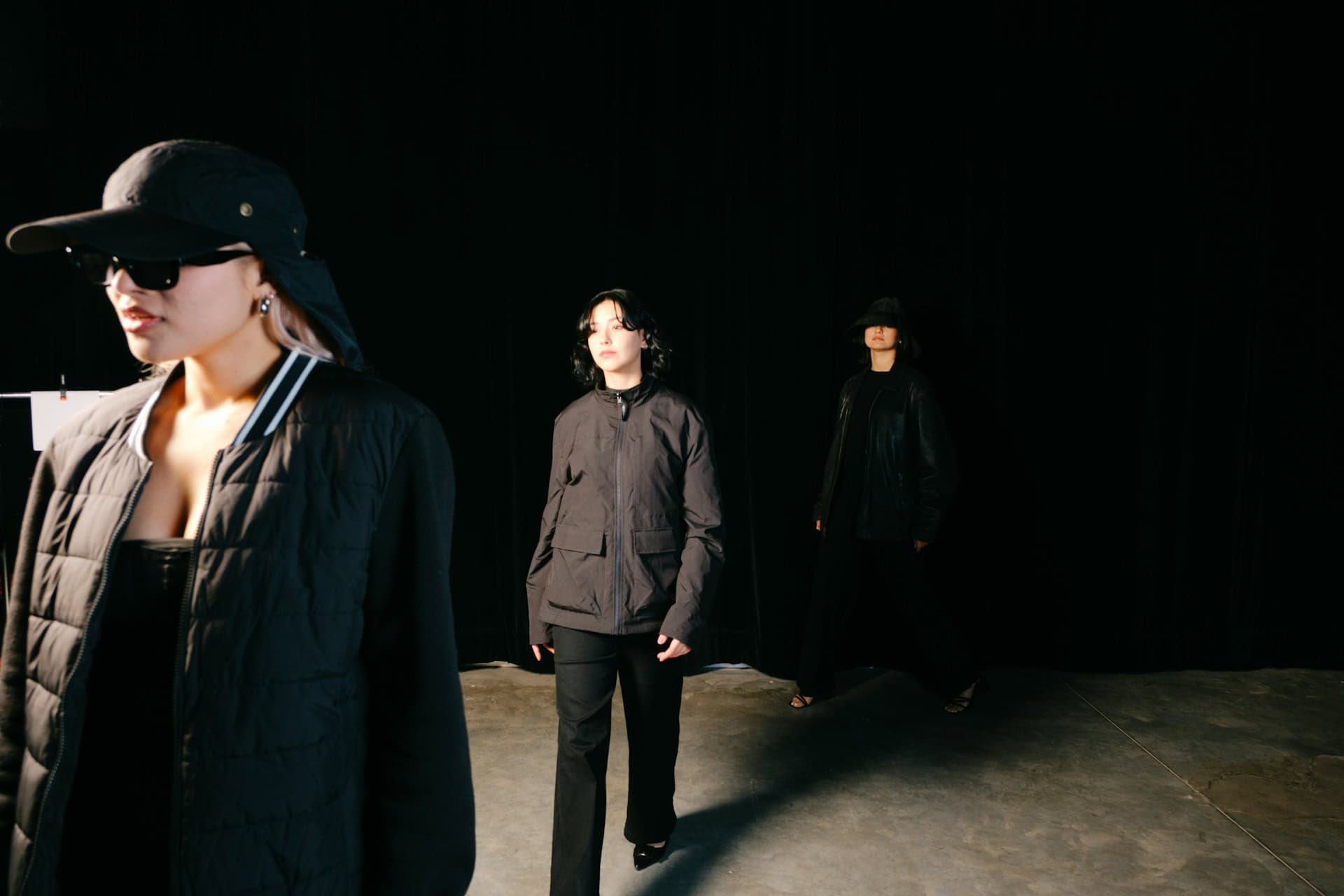
Luxury fashion fit models in the UK sit at the heart of how clothes actually feel on the body. In a city like London, where cruise, Autumn/Winter and Spring/Summer collections sit alongside quick, see now, buy now drops, brands need a body they can trust just as much as they need a moodboard. A skilled fit model helps turn a sketch into something a client wants to wear again and again.
Fit models are used through design and development to check cut, movement and comfort. They help keep sizing consistent from season to season, and from one product category to the next. When the fit is right, brands usually see fewer returns, happier customers and a stronger sense of identity across collections.
It is easy to mix up fit models with runway or e-commerce models, but the roles are very different. Runway and e-commerce talent help sell the finished story to buyers and clients. Fit models help build that story in the first place, working closely with creative and technical teams long before a look reaches the catwalk or product page.
Inside the Role of Luxury Fit Models in the UK
The day-to-day work of a luxury fit model is quiet, technical and very focused. A typical session in a London studio might include:
- Standing with design, pattern cutting and technical teams while a toile is pinned and marked
- Trying on multiple rounds of samples as the pattern is refined
- Walking, sitting, reaching and turning so teams can see how fabric behaves in real life
- Giving calm, clear feedback on pressure points, stretch, balance and proportion
At the higher end of fashion, many fit models work with an atelier mindset. They understand:
- Construction and where a garment should sit on the body
- Balance, ease and how much movement a client expects in different categories
- How fabrics like silk, wool, denim or leather behave on the body over time
Good fit models also communicate well with creative directors and technical staff. They listen, then describe what they feel in simple, precise language. They know when a sleeve crown is pulling, when a waistband is twisting or when a dress line is breaking at the hip.
Brands often book luxury fit models in the UK by block, silhouette or product type. For example, one model might become the house body for sharp tailoring, another for eveningwear, and another for denim or outerwear. When a brand keeps the same fit model across several seasons, it can hold a very stable fit signature as styles evolve.
How Runway and E-Commerce Models Compare
Runway models focus on impact and drama. Their job is to:
- Show the movement and mood of a collection during shows and presentations
- Carry more extreme proportions or volume with ease
- Communicate the creative director’s story to press and buyers
E-commerce models do almost the opposite. Their role is quiet but highly disciplined. They:
- Present garments clearly and consistently on product pages
- Use standardised poses so customers can compare fits across styles
- Help shoppers understand length, drape and styling in a clean, simple way
Fit models, by contrast, rarely appear in public-facing content. Their work happens long before any runway look or e-commerce shot. You could say:
- Runway and e-commerce models help sell the finished vision
- Fit models help build that vision, step by step, behind closed doors
All three roles are important, but they answer to different needs. Creative teams think about drama and image, while technical teams need precision, repeatability and comfort.
Measurements, Sizing Blocks and Technical Precision
Luxury fashion fit models in the UK are selected to sit very close to a brand’s core size block. It is not just about bust, waist and hip. Teams look at:
- Shoulder width and slope
- Torso length and rise
- Leg length and proportion of thigh to calf
- Posture and natural stance
Because fit models match the size block so closely, pattern cutters can build out a full size range from that base with more confidence. Small changes on the body show clearly on the garment, which helps teams fine-tune seams, darts and panel lines.
Runway and e-commerce models also work within size ranges, but the priority can be different. Visual impact, brand image and styling flexibility often sit ahead of an exact match with a technical base size. A runway model might be taller or leaner than the fit base, simply because that suits the show’s look and casting direction.
Luxury fit models are also often booked by size or region. A multi-market brand might work with:
- A UK block fit model to set the core fit
- A model closer to EU sizing for regional adjustments
- A model aligned with US blocks where needed
Keeping the same fit models over multiple seasons helps brands hold a consistent fit story as fabrics, trends and styling shift.
Booking Structures and How Brands Use Talent
Fit model bookings tend to follow the rhythm of product development. Brands often work with:
- Repeat fit sessions from prototype, through second and third samples, to pre-production
- Half-day or full-day bookings, particularly at key design milestones
- Ongoing relationships across many seasons to keep sizing steady
These sessions can be intense, with quick changes, pins, notes and constant small tweaks. It is common for brands to secure favourite luxury fashion fit models in the UK well in advance of core development periods like Autumn/Winter and Spring/Summer sampling, or resort and pre-collections.
Runway and e-commerce bookings are built around launch and sell-in. Typical structures include:
- Show packages for fashion week
- Campaign and lookbook shoot days
- E-commerce days where models shoot a large number of looks back to back
The budget and planning approach reflects this. Brands often secure fit talent early, because without that work the show and product pages will not perform as planned. Runway and e-commerce casting may sit closer to launch, once the collection is almost final.
In-House vs Agency Models for UK Luxury Labels
Some UK luxury labels choose to develop in-house fit models. The appeal is clear. They offer:
- Daily availability during busy development windows
- Deep familiarity with house codes and construction methods
- A long-term understanding of how the brand likes garments to sit and move
Agency-represented models bring a different set of advantages. A specialist boutique agency can offer:
- A curated board of models already experienced with luxury and contemporary fit work
- Clear booking structures and options to scale up during intense periods
- Access to specialist bodies for denim, tailoring, outerwear, evening or new size ranges
Many brands blend both approaches. They keep an in-house core model who holds the main block, then partner with agencies for:
- New categories or collabs that need a different fit base
- Extended size ranges or special regional fits
- Capsule projects that run on tighter calendars
This mix lets teams stay flexible while still protecting the brand’s fit standards.
Choosing the Right Fit Partner for Your Next Collection
When design, production and talent teams choose a luxury fashion fit model in the UK, measurements are only the starting point. It also helps to have:
- Calm, clear communication, even when sessions are busy
- Reliability and punctuality across many bookings
- An understanding of luxury finishing, fabric behaviour and client expectations
- Professionalism with sensitive, pre-launch collections
Agency representation can be helpful when brands are launching a new line, stepping into a new market or refining fit ahead of key trading periods. A boutique London agency like The Bureau, which represents women, men and atelier-trained fit models for luxury and contemporary fashion, can support both the technical and creative sides of this work, offering fit, runway and e-commerce talent that aligns with a label’s aesthetic and standards.
Partner With Expert Fit Models For Impeccable Luxury Garments
If you are ready to refine your collections with precision, our team at The Bureau is here to support you at every stage of development and production. Work with our carefully selected luxury fashion fit models in the UK to achieve consistent sizing, flawless proportions and a superior customer experience. Share your brief, timelines and fit requirements and we will match you with models who understand atelier standards and exacting technical feedback. Let us help you turn your design vision into garments that look and feel exceptional on the body.