Booking Atelier-Trained Fit Models in London: Lead Times and On-Set Workflow

Why Atelier-Trained Fit Models Transform Your Samples
Booking the right fit model is one of the quickest ways to improve your samples and avoid long, stressful fitting days. When that model is atelier-trained, you get not only the right body, but also a trained eye that understands how garments are built and how they should move.
Atelier-trained fit models are different from standard fit or editorial models. They usually have experience inside pattern rooms and studios. They can read spec sheets, understand balance, talk about grainlines, and give feedback on toile and prototype stages in clear, technical language. Instead of just saying something rubs or feels tight, they can point to a sleeve head, a pitch, or a rise and explain why.
For London luxury and contemporary brands, this kind of support is now a key part of keeping sampling rounds under control. When a model can talk directly with design, pattern cutting, and production teams, you tend to see:
- Fewer surprise issues once fabric is cut in bulk
- Quicker decisions at toile and first fit stage
- Clearer notes passed to factories and pattern rooms
At The Bureau, we focus on curated boards and technical vetting, working closely with London ateliers and studios. This means we are able to recommend atelier-trained fit models in London whose skills line up with specific blocks, categories, and the type of work your team does day to day.
Planning Your Booking Timeline Around Fashion Calendars
Good planning is the quiet secret behind smooth fitting days. Atelier-trained fit models are in high demand, especially around key calendar points, so timing matters.
In London, we see certain patterns repeat every year. For example, many brands book pre-summer sampling from January to March, then move into autumn-winter bulk fittings from July to September. Resort and festive capsules tend to fill diaries from around August into November. If you know where your range falls, you can plan your bookings so you are not trying to find the right model at the very last minute.
A simple guide for lead times:
- Recurring development fittings: hold regular weekly or fortnightly slots
- Last-minute pre-production checks: allow at least a few days where possible
- E-commerce size validation: plan once core blocks have been approved
- Campaign alignment: lock these dates in as soon as shoot plans are set
Peak pressure points often come around August sample deadlines, London Fashion Week, and the weeks before pre-Christmas drops. Securing atelier-trained fit models in London early helps you protect your preferred size, height, and specialist categories such as tailoring or outerwear.
Contingency planning is also helpful. You might:
- Ask for a waitlist if your first choice is fully booked
- Hold backup sizes close to your base size
- Keep some flexibility in time slots if you work with overseas factories and shifting delivery windows
Crafting a Clear Brief for Technical Fit Sessions
A clear brief is one of the best ways to make sure your fitting day runs smoothly and your model is set up to help you.
At booking stage, share the basics:
- Collection type, for example tailoring, bridal, streetwear, lingerie, denim, outerwear
- Target size specs and base size strategy
- Gender and age range
- Any known fit challenges, such as sleeve length, high hip, full bust, or long rise
We recommend a simple email or PDF briefing pack that covers:
- A short overview of the collection and range size
- A technical size chart for the base size and any secondary sizes
- Fabric notes, including stretch, weight, and any tricky blends
- Construction details, like internal support, fusing, and linings
- Intended price point and brand references, so the team knows how sharp or relaxed the fit should feel
For half-day or full-day sessions, an agenda keeps everyone aligned. You can list garments in fitting order, mark priority styles, and roughly note how long you expect to spend per look. Include any photo and video capture needs, and make sure the approval chain is clear so decisions do not get stuck.
When briefs are structured in this way, we can propose atelier-trained fit models in London who match not only the size spec, but also your technical focus, such as:
- Tailoring blocks and sharp suiting
- Performance outerwear and layered looks
- Denim and heavy twill
- Bridal and eveningwear
- Plus and extended sizing
On-Set Fitting Workflow That Keeps Teams Aligned
A calm, structured fitting day supports better decisions and happier teams. A typical workflow might look like this:
- Call time and arrivals, with a quick tour of the space
- Measurements confirmation, so everyone is clear on current body data
- Fit warm-up, starting with simpler styles to check the block
- Garment sequencing, moving from core styles into more complex pieces
- Short breaks, especially for heavy or tight garments
- End-of-day recap and agreement on next steps
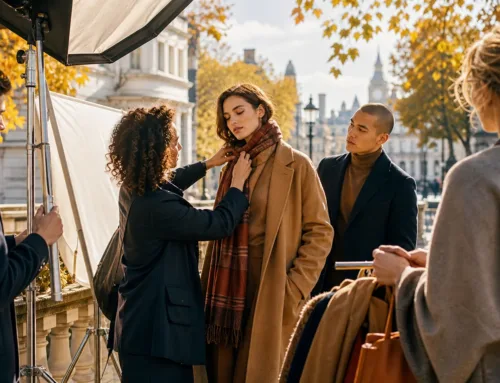
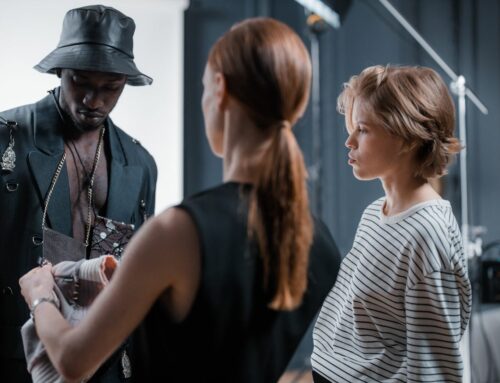
On set, clear roles help. The designer guards the creative vision. The pattern cutter focuses on balance and construction. The garment technologist checks measurements and tolerances. Production teams think ahead to factories and timelines. The fit model should act as an active collaborator, not a passive mannequin, giving clear feedback on comfort, mobility, and how each style feels over time.
Good documentation is key. Many teams use:
- Annotated fit photos, front, side, and back
- Short video clips of walking, sitting, raising arms, and key movements
- Digital fitting notes tied to style codes
- Agreed sign-off language that can be shared with factories
Etiquette also matters. Brief the model at the start about what you are testing and where you expect issues. Keep feedback specific and focused on the garment, not the body. Respect time by avoiding long gaps between try-ons and keeping decision-makers close, so you do not have to repeat every change.
Maximising Results From Atelier-Trained Fit Models in London
To get the most value from atelier-trained fit models in London, treat them as part of your technical team.
Before and during the session, let them know:
- Which parts of the body you are most concerned about
- Where you expect the garment to sit and move
- Which seams, darts, or panels are key to the design
- How the fabric is likely to relax, shrink, or mould with wear
Ask for specific feedback on balance, mobility, seam placement, and how fabric behaves in motion. Encourage comments while the garment is on, and again after a few minutes of walking or sitting, so you get both first impressions and wear-in notes.
Try to integrate fittings into your whole product cycle. That could mean early toile fittings to test new blocks, pre-production seal sample checks, and even post-launch sessions if returns data points to repeated fit issues. Repeating bookings with the same core models helps build a brand fit memory, which supports consistent grading and fewer surprises in bulk.
At The Bureau, we support ongoing optimisation by adjusting casting as your brand changes. When you expand your size range, move into new categories, or refine your base size, we can recommend additional models or different boards so your fit strategy stays aligned with your collection.
Transform Your Collection With Precision Fitting Expertise
Work with The Bureau to ensure every garment is refined on the body, not just on the pattern. Our atelier-trained fit models in London bring couture-level discipline to each fitting, helping you achieve a cleaner silhouette and more consistent sizing. We collaborate closely with your team so prototypes translate into production-ready pieces with fewer costly revisions. Let us support your next range with fittings that reflect how your customers truly wear your designs.